
Medicine and Buddhism: A Reflection on Compassionate and Ethical Practice
Our friend Dr. Gyaltsen Gurung has been the chief medical officer at the Wongchhu Sherpa Memorial Hospital for almost the entire time it has been open. He came to the hospital about 6 months after the opening and has been the guiding hand towards community outreach and excellence of care.
Gyaltsen has always been helpful along with the staff to make our four dental camps a success. Now the hospital, and Dr. Gurung are award winning examples of excellent care in a remote area. We are so proud to feature this article, which also is available at the hospital website, wsmh.org.
Dr. Gurung’s deep Buddhist faith has helped to guide him at every step of his journey. Here he talks about that faith as it engages with his profession as a doctor and medical director.
We are fortunate to know you and the hospital and surrounding community has blossomed from your kind hand and open heart. Thank you, Doctor.
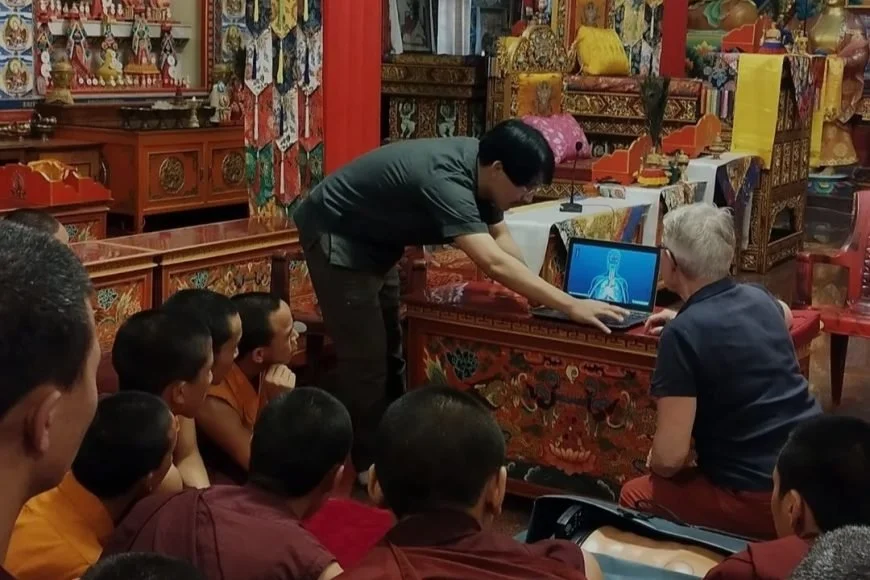
Medicine and Buddhism: A Reflection on Compassionate and Ethical Practice
By Dr. Gyaltsen Gurung
As a practicing medical doctor and a student of Buddhist philosophy, I find deep resonance between the principles of medicine and the teachings of the Buddha. Though medicine is a science rooted in clinical knowledge and evidence, and Buddhism a spiritual path guided by inner wisdom and ethical conduct, both ultimately share a singular purpose: the alleviation of suffering.
At the heart of Buddhist philosophy lie the values of compassion (karuṇā), loving-kindness (mettā), right intention, and right action. These principles, when sincerely embraced, offer profound guidance in the medical profession. In caring for the sick and the vulnerable, a physician must go beyond technical treatment. We must bring to the bedside an attitude of empathy, non-judgment, humility, and active compassion.
It is through this lens that I understand my role—not merely as a provider of medicine, but as a mindful presence committed to holistic healing. A patient is not just a case or a condition; they are a complete human being with fears, hopes, emotions, and dignity. When we listen with patience, speak with gentleness, and act with kindness, we uphold not just the ethical standards of our profession, but the spiritual duty of honoring the humanity of those we serve.
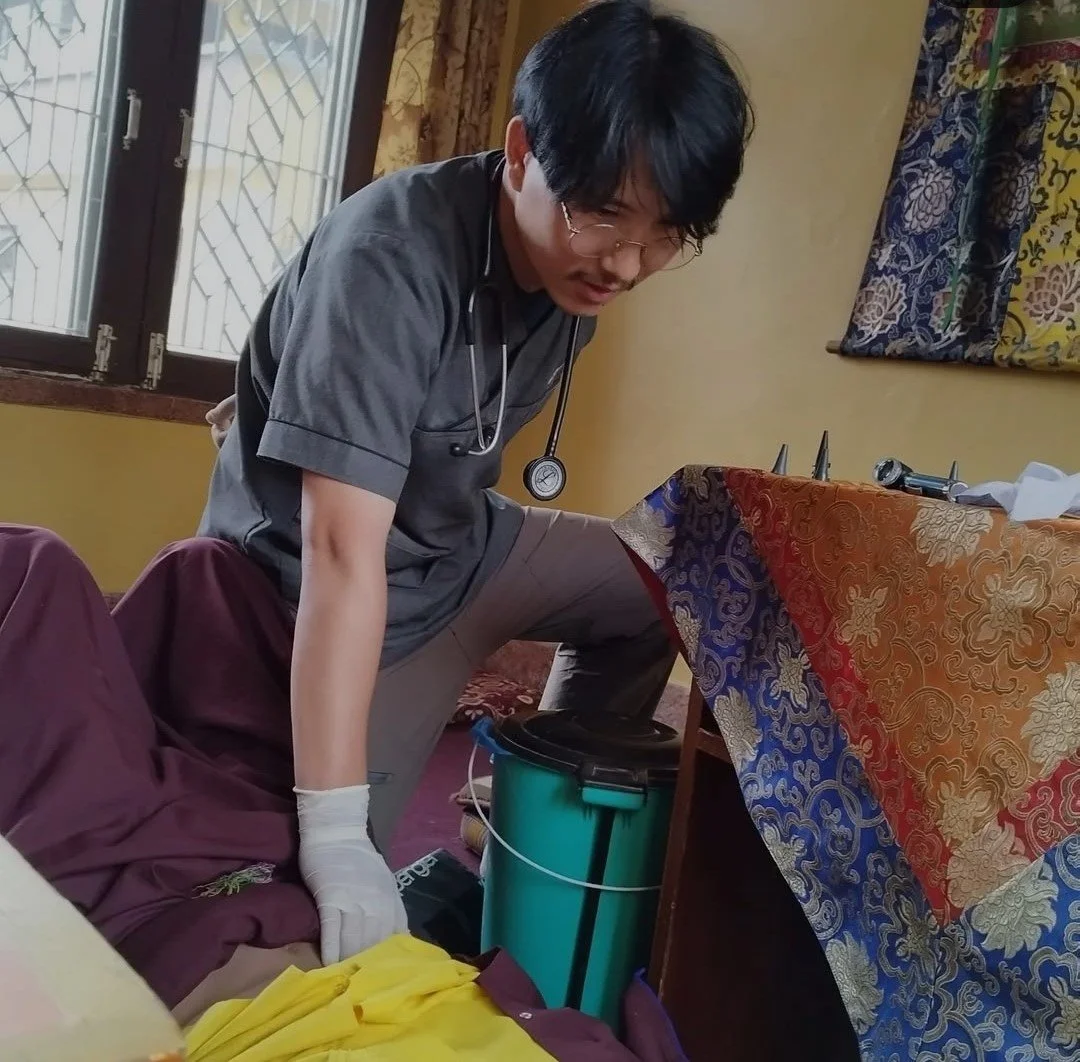
However, compassion must always walk hand in hand with ethical integrity. Buddhist practice emphasizes the Eightfold Path, which includes Right Livelihood, Right Speech, and Right Action—principles which are equally relevant in clinical settings. As physicians, we must be committed to fair, transparent, and just medical practices, avoiding exploitation, discrimination, or any action that prioritizes personal gain over patient welfare.
In my own practice, I constantly remind myself that true professionalism lies not only in medical accuracy and competence, but in moral clarity and inner discipline. Ethical dilemmas, resource limitations, and systemic challenges are inevitable. But it is in these moments that our inner training—whether spiritual or moral—must guide us to act with fairness, honesty, and above all, compassion.
The fusion of Buddhist values and medical ethics does not require the abandonment of science, but rather the elevation of science through humanity, mindfulness, and ethical responsibility. In doing so, we move closer to a model of care that is not only effective, but deeply healing—for both patient and provider.
In conclusion, I believe that to be a good doctor is not just to be skilled, but to be kind. To heal not only the body, but to soothe the heart. To practice not only with the hands, but with conscience and compassion. This is the medicine I aspire to practice, and this is the path I humbly strive to walk.
🙏🙏🙏🙏
By Dr. Gyaltsen
This article originally appeared on the Wongchhu Sherpa Memorial Hospital site here. Shared with permission.


