
Wilderness First Responder Course: Rusha Pradhan’s Experience
We are back with our second article featuring Women Thriving in the Wilds. This post is about one of our favorite topics, wilderness medicine and the Wilderness First Responder certification.
Rusha Pradhan is multitalented, one of the top indoor climbers in Nepal, and a trekking guide. In addition to her work at the Kathmandu Sport Climbing Center, she’s a former national climber. We met her when we started doing our climbing competitions at KSCC. When she approached us about taking a WFR course, we were super excited to be a part of educating more guides in wilderness medicine in Nepal.
The responsibility of the guide is huge, but in Nepal there is often no quick evacuation, so your time with a patient can be very extended. We are committed to helping to educate as many guides as we can, and we welcome more women to take to the outdoors, learn, and get certified.
Thank you, Rusha. Congratulations on this course! We really liked how you said it changed your decision making. That’s what we really hope for, an awareness of your responsibilities and how to approach each moment in the wilderness.
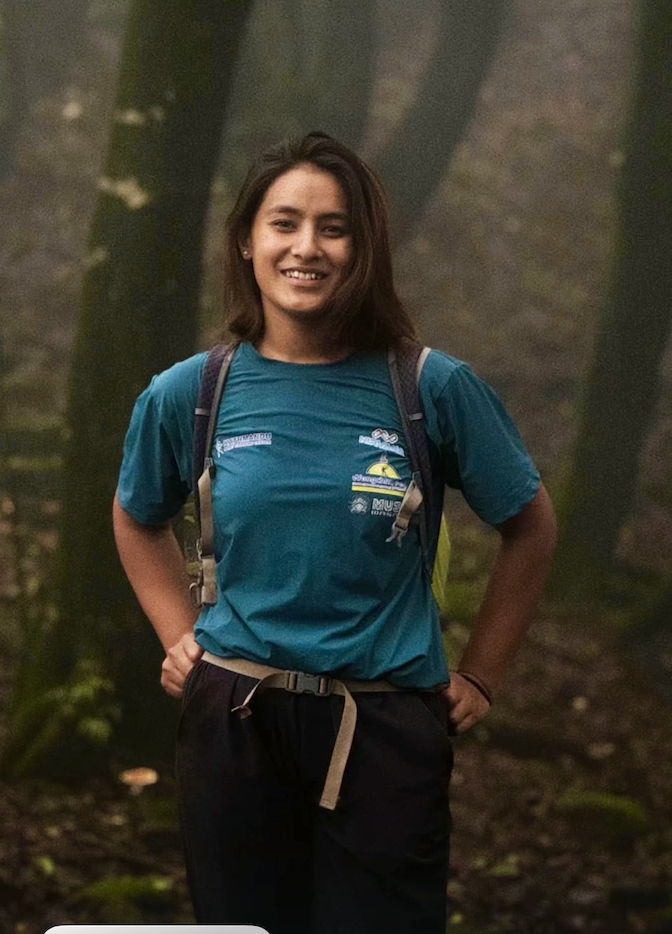
Rusha Pradhan
Wilderness First Responder (WFR) Experience
Idaho Rescue Training x NOLS Wilderness Medicine
3rd Feb – 12th Feb
My name is Rusha Pradhan. I’m a national sport climber, co-owner of Kathmandu Sport Climbing Center (KSCC), and currently working as a trek leader. I joined the Wilderness First Responder (WFR) course to build on my first aid training and deepen my understanding of risk, response, and responsibility in the outdoors. As a climber and a trekking guide, I’ve always known how critical these skills are, but this course truly brought that importance to life.
A massive thank you to Musa Masala for believing in me and making this possible through a scholarship. Their support has shaped my path, not just in climbing and guiding, but also in being part of a larger community that’s working to open doors for others in the mountains.
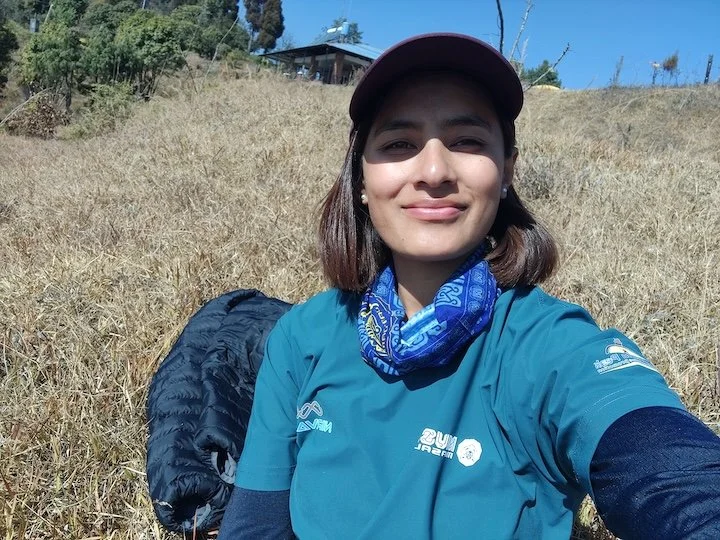
I began the course shortly after returning from basic ice climbing training in Phortse, Solukhumbu. That experience included some first aid basics, especially patient assessment, which turned out to be a helpful foundation going into WFR. The course was hosted by NOLS Wilderness Medicine in partnership with Idaho Rescue Training and Himalayan Medics. WFR was held for 10 days at Kakani International Scout Centre.
Our WFR group met at Nepali Ghar in Thamel and drove about an hour to Kakani. On arrival, we settled into shared dorms and tent setups. There were 15 of us in total, only a few Nepali participants, with the rest coming from different parts of the world. It was my first time being part of such a diverse, international learning environment, and that in itself was a powerful experience.
Our lead instructors, Paul Holle and Muggy (Bhasker), set the tone from day one. The course started with the Patient Assessment System (PAS), which was far more detailed than anything I had learned before. While some concepts felt familiar, the depth and structure pushed me to think more critically. We immediately started scenario-based learning, rotating between roles as patient, rescuer, and head holder. I even played a patient on the first day, with fake blood, which made me realize how much realistic acting is part of this training.
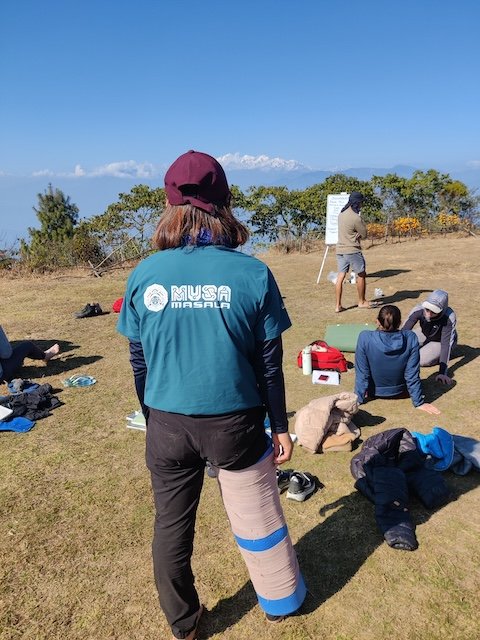
Each day brought new topics, from spinal injury management and patient packaging to focused spine assessments and head injuries and so much more. Classes ran from 8 AM to 5 PM, with breaks and really good meals in between. We learned to use tools like stethoscopes and blood pressure cuffs. It felt a bit like playing doctor as a child, but this time, everything had real consequences.
Some sessions were held outdoors near the campsite, which made learning feel more dynamic and real. Being outside, working in small groups, and applying skills in nature helped everything sink in better. It broke the classroom routine and reminded us exactly why we were there, to be prepared in real wilderness environments.
One of the most memorable parts of the course was the night scenarios. In our first one, we responded to a simulated ATV accident involving a tibia fracture. Building a splint in the dark, under pressure, felt intense and honestly, I even dreamt about building a splint that night after some intense scenarios. These scenarios, set at different times and locations, made the training very practical.
Outside of class hours, I spent a lot of time revising and studying. It was exhausting at times, but in a good way. I’d pass out with my notes in hand instead of my phone, guess that says how into it I was.
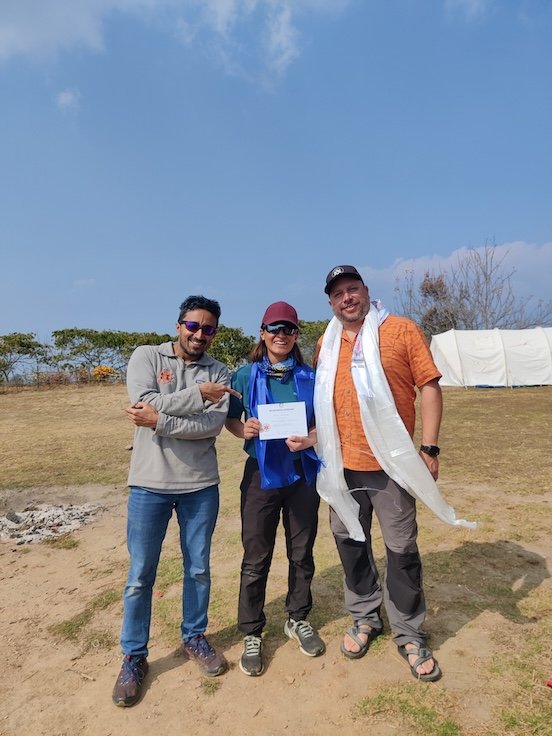
As the final assessments approached, I focused on preparing for both the practical exam and the written test. On exam day, I was nervous, especially when I realized my name was first on the list. “The heart drums the loudest before the mountain goes silent.” That’s exactly how it felt. But once I started, the preparation kicked in, and everything flowed. Nervousness didn't make it feel easy, but it was absolutely worth it.
This course was more than just a certification. It changed how I approach safety, decision-making, and care in the mountains. Whether I’m climbing, guiding, or simply being part of a team outdoors. I’d love to see more girls get into wilderness medicine, these are real-life skills that can shape both confidence and career. I’ve gained a lot from it and recommend it.
I’m incredibly grateful for this opportunity, the lessons, the people I met, and the dedication the instructors put into guiding us every step of the way. This is just the beginning, more to come.
Follow Rusha on social media:
Instagram: @RushaPradhan
Follow the Kathmandu Sport Climbing Center on Instagram here.


