
World Oral Health Day: "A happy mouth should not depend on geography."
This year the World Oral Health Day motto is “a happy mouth is a happy life.”
Well today our friend, Dr. Pratima Panta, BDS, writes that “a happy mouth should not depend on geography. “ Dr. Panta is one of the dedicated professionals who’s traveled from Kathmandu for the last two years to provide free basic dental care to the community of the Solokhumbu surrounding the Wongchhu Sherpa Memorial Hospital. The Musa Masala Dental Camps provide the only dental care in all of the area. We are gonna get out of the way and let her tell the story, Happy World Oral Health Day!
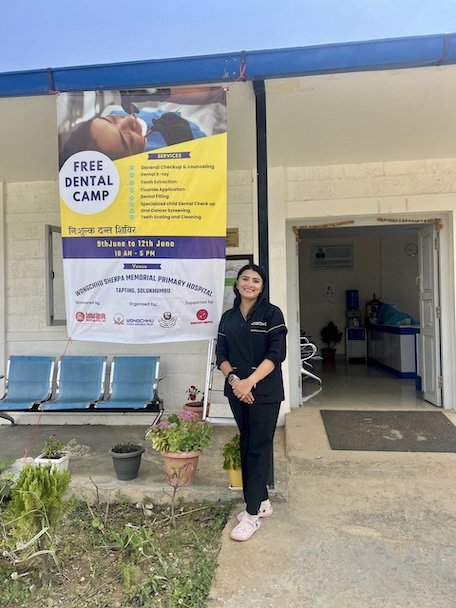
Dr. Pratima Panta, BDS
World Oral Health Day: A Global Celebration, A Rural Reality
By Dr. Pratima Panta, BDS
For much of the world, World Oral Health Day arrives on March 20. In parts of rural Solukhumbu, it arrives on the day a dental team finally reaches the village.
That contrast says a lot about oral health in Nepal. Around the world, World Oral Health Day is observed to remind people that the mouth is not separate from the rest of the body. A healthy mouth helps us eat, speak, smile, and live without pain. The 2026 message, “A Happy Mouth is a Happy Life,” is simple, but true.
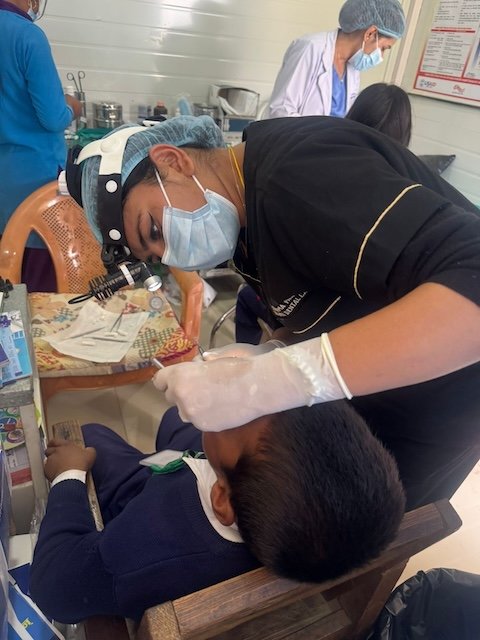
In cities and developed areas, this day is marked with school events, free dental check-ups, awareness programs, and social media campaigns. Children are taught how to brush properly. Adults are encouraged not to ignore tooth pain, gum disease, or oral infections. The day becomes a chance to learn, prevent disease, and promote healthier habits.
But in remote regions like Solukhumbu, the meaning of oral health is very different. There, the problem is not only lack of awareness. It is lack of access.
For many families living in villages far from major roads and health centers, visiting a dentist is not a routine part of life. It is rare. Sometimes, it happens only when a dental camp is organized. Sometimes, that chance comes only once a year. Many people walk for hours to reach care. Some come with severe pain. Some have lived with swelling, infection, or broken teeth for months. Children may never have seen a dentist before.
That is why, in such places, oral health day does not feel like a date on the calendar. It feels like the day help finally arrives.
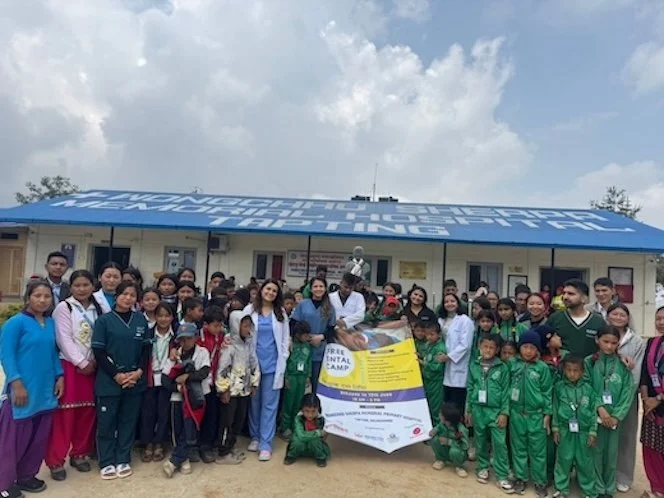
This is what makes the work being done in the Tapting region so meaningful. Through the combined efforts of Musa Masala, Wongchhu Sherpa Memorial Hospital, the Wongchhu Sherpa Memorial Trust, and Dentist Nepal, oral healthcare is gradually reaching communities that have long been left behind. Their work is not only about treatment. It is also about education, prevention, and building trust in places where dental care has never been easy to reach.
From my experience, one of the most powerful parts of these camps is not only the extraction of painful teeth or the treatment of infection. It is also the small moments that can change the future. A child learning the right way to brush. A parent hearing, perhaps for the first time, that tooth decay can be prevented. A school session that turns oral hygiene from an unknown topic into an everyday habit. These may look like small things, but in remote communities, they can have a lasting effect.
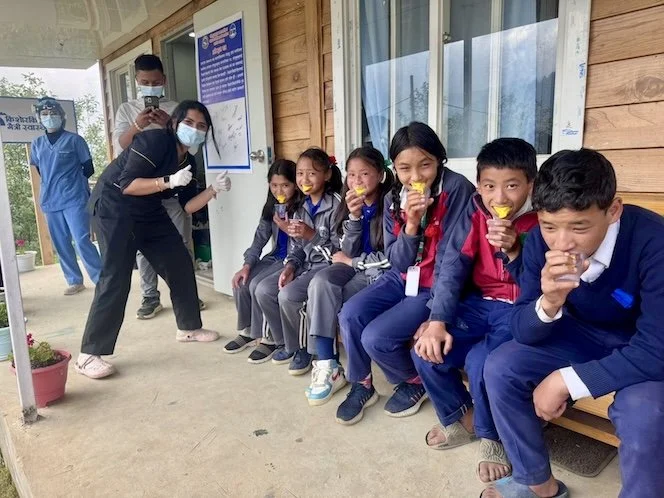
The need is much greater than many people realize. In some rural homes, even basic dental products such as toothpaste and toothbrushes are not always easy to afford or replace. Traveling to the city for treatment takes time, money, and effort that many families cannot spare. When daily life is already a struggle, oral health is often pushed aside until the pain becomes too much to bear.
This creates a quiet inequality. In one part of the country, people can book a dental appointment whenever they need one. In another, they must wait for care to come to them. One group speaks of routine check-ups; another waits for relief.
That is why World Oral Health Day should mean more than awareness alone. It should also remind us to look at who is still being missed. The message of oral health must travel beyond cities, beyond campaigns, and beyond one-day celebrations. It must reach the people who need it most.
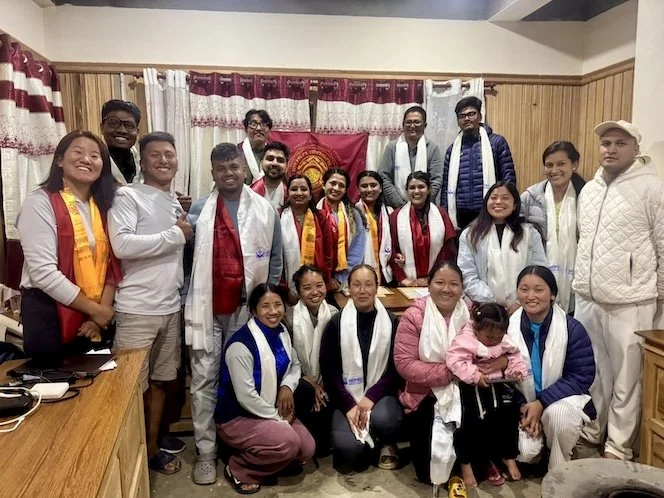
The work happening in Solukhumbu shows that change is possible. It shows what can happen when committed organizations, hospitals, and dental professionals work together with purpose. It also reminds us that real success is not only in celebrating oral health, but in making it reachable.
A happy mouth should not depend on geography. It should not belong only to those living near clinics, roads, and cities. It should belong to every child, every parent, and every elder, no matter how remote their home may be.Only then will World Oral Health Day truly mean the same thing for everyone.


