
Celebrating our series, Women Thriving in the Wilds brings us to this excellent article written for us by Darla Stupey, DO, MBA, FAAFP, FAWM. Darla was introduced to us through our friends at Wild Med Wednesday, where she presented on Women's Reproductive Health in the Backcountry. Become a member and access that program here!
Thanks to Jeena Fuller for introducing us. Check out her Musa interview here.
Wilderness Wellness: A Woman's Guide to Health & Adventure
By Darla Stupey, DO, MBA, FAAFP
An ever-increasing number of women are discovering the joy of outdoor recreation. In 2023, for the first time, more than half of American women participated in outdoor activities¹. The health benefits of getting outside are extensive. Regular physical activity improves weight management and reduces the risk of cardiovascular disease, type 2 diabetes, and several cancers². It also strengthens bones and muscles, supports mental health, and is associated with increased longevity.
Despite growing participation, research focused specifically on women’s health in wilderness environments remains limited³. This guide highlights practical strategies to help women prepare for wilderness travel while protecting their health and safety.
Pre-Trip Planning: Your First Step to a Great Adventure
A key component of any wilderness adventure is a pre-trip medical consultation. Ideally, this should occur several months before departure. However, even consultations within two weeks of travel have been shown to reduce illness during international trips⁴.
The purpose of this visit is to optimize health by reviewing medical history and identifying any conditions—such as anemia or cardiovascular disease—that could be exacerbated by strenuous activity or remote conditions. Proactively addressing these issues can significantly reduce the risk of illness and help ensure that your adventure is not cut short by a preventable evacuation.
This visit is the time to receive any destination-specific immunizations. According to GeoSentinel surveillance data, approximately 8% of international travelers seek medical care for illness, and about 14% of those illnesses could have been prevented through vaccination⁵.
Pre-trip visits also provide an opportunity to discuss reproductive health planning, including contraception and menstrual management.
Adventure Essentials:
A pre-travel medical consultation helps identify medical conditions that could become problematic in remote environments.
Even consultations within two weeks of travel can reduce illness during trips.
Ensure vaccinations are up to date and discuss reproductive health planning, including contraception and menstrual management.
Health and Safety on the Trail
Cultural Awareness Matters
Women traveling internationally may encounter cultural and religious norms that differ from those at home. Researching local expectations for clothing, appearance, behavior, and speech can help travelers navigate environments respectfully and safely.
It is important to be aware of the potential risk of violence against women. Information about regional risks can be found through sources such as the Global Database on Violence Against Women and Girls, the World Health Organization (WHO), and government-sponsored travel advisories like those from the U.S. Department of State²⁵.
To reduce risk, always use licensed and reputable transportation services and consider arranging airport transportation in advance. App-based ride services that provide a shareable, real-time record of your trip can add an additional layer of safety. Be cautious on crowded public transportation, which may create opportunities for theft or unwanted contact.
When checking into accommodations, using a first initial rather than a full first name and avoiding titles such as “Mrs.” or “Ms.” can provide an additional layer of privacy.
While self-defense training can be valuable, the most effective strategy is risk reduction. Even with careful planning, risk cannot be eliminated completely. For this reason, prior to travel it is important to identify local medical resources in case of emergency, including facilities that provide HIV testing and post-exposure prophylaxis in the event of high-risk exposure or sexual assault.
Adventure Essentials:
Cultural expectations around dress, behavior, and gender roles vary widely and should be researched before travel.
Risk reduction strategies, such as using reputable transportation and maintaining privacy at accommodations, can improve safety.
Identify local medical resources before departure, including facilities that provide care after assault or high-risk exposures.
Common Health Issues in the Backcountry
Wilderness travel can increase the risk of urinary tract infections (UTIs) due to dehydration, delayed urination, and limited hygiene facilities. Staying well hydrated and urinating when needed can reduce risk.
Some travelers use female urination devices, which allow urination while standing. These can be helpful but should be practiced with before using them in the field⁶.
The unique conditions encountered during wilderness travel can contribute to bacterial vaginosis, yeast infections, or irritation of the vaginal area. If you are prone to bacterial vaginosis, consider discussing a prescription for treatment during your pre-trip consultation. Those who experience recurrent yeast infections may wish to bring over-the-counter treatments or obtain a prescription for fluconazole before travel.
For individuals with a history of genital herpes, bringing antiviral medication is recommended, as an outbreak can cause significant discomfort.
Severe pelvic pain or heavy menstrual bleeding with lightheadedness should be evaluated for potential medical evacuation.
Adventure Essentials:
Dehydration, delayed urination, and limited hygiene facilities increase the risk of urinary tract infections.
Women prone to yeast infections or bacterial vaginosis may benefit from bringing treatment medications.
Women with a history of genital herpes should bring antiviral medications.
Severe pelvic pain or heavy bleeding with lightheadedness should be treated as possible medical evacuation criteria.
Menstrual Management and Backcountry Hygiene
Menstrual management is an essential aspect of backcountry hygiene planning. Pack adequate supplies and research what may be available at your destination.
In emergency situations tampons may be used to control bleeding, and menstrual pads may serve as compression dressings. Tampons and pads must always be packed out following Leave No Trace practices.
Menstrual cups are increasingly popular as they are lightweight, reusable, and produce minimal waste. Studies have not demonstrated an increased infection risk associated with menstrual cup use⁶, though careful cleaning remains essential.
To clean a menstrual cup in the wilderness:
Find a private location at least 200 feet from water sources, trails, or campsites.
Clean your hands with hand sanitizer.
Dig a 6–8 inch cathole.
Empty the cup into the cathole.
Rinse the cup with clean potable water from a dedicated water bottle over the cathole.
If water is scarce, wipe the cup with toilet paper and pack the paper out in a sealed bag.
Do not use soap and never rinse the cup directly in a natural water source.
Sanitize your hands again and fill in the cathole.
Adventure Essentials:
Pack adequate menstrual supplies and plan for Leave No Trace waste management.
Menstrual cups can be practical for wilderness travel due to minimal waste and weight.
Proper hygiene, including cathole disposal and hand sanitation, is essential to prevent infection.
Reproductive Health in the Wilderness
Contraception
Successful planning begins months before departure. Strenuous activity and travel stress can disrupt cycles, making fertility-awareness methods of contraception unreliable. Instead, schedule a medical consultation several months before travel. This allows time to identify a contraceptive method that works well for you and to manage any initial side effects, such as irregular bleeding, before the trip begins.
Planning should also include researching the laws and availability of contraception at your destination, including emergency contraception (EC). Some countries have strict restrictions. For example, Honduras enforces a complete ban on emergency contraception, with penalties that may include imprisonment⁷. Understanding and respecting local laws is essential.
Always pack more contraception than you expect to need in case of loss or travel delays, and if legal, consider carrying emergency contraception as a backup.
Long-acting reversible contraception (LARC), such as intrauterine devices (IUDs) and arm implants, are often preferred because of their reliability and “set-it-and-forget-it” convenience⁸. Other hormonal methods—including combined estrogen–progestin and progestin-only formulations—are available as pills, patches, vaginal rings, and injections. Many of these options can also be used for menstrual suppression if desired⁹.
When selecting a method, it is important to understand potential risks. IUD users who become pregnant have a higher relative risk of ectopic pregnancy⁸. Estrogen-containing methods, particularly the transdermal patch, carry a higher risk of blood clots¹⁰,¹¹, which may be influenced by altitude exposure¹². Guidance from the International Climbing and Mountaineering Federation (UIAA) suggests that the safest and most effective contraceptive method is typically the one a woman is already familiar with using¹².
Environmental and travel-related factors may affect contraceptive effectiveness. Travelers using oral contraceptives should plan how to adjust dosing schedules when crossing time zones. Illness can also affect effectiveness; vomiting within three hours of taking a pill may be considered a missed dose, making it wise to carry anti-nausea and anti-diarrheal medications. Oral contraceptives can be used intravaginally or rectally if necessary.
Extreme temperatures can degrade contraceptives—including pills, patches, rings, injectables, and condoms—so careful storage is important.
For those using condoms, which remain the only method to protect against sexually transmitted infection, Leave No Trace principles should be followed. Condoms are not biodegradable and must be packed out. Tie them off and store them in a double-bag system within your designated trash bag.
Regardless of contraceptive method, always carry pregnancy tests. An unintended pregnancy in a remote location is a serious medical situation that may require emergency evacuation¹³,¹⁴.
Adventure Essentials:
Plan contraception months before travel to allow time to adjust to a method.
Pack more contraception than needed and emergency contraception, if permitted by destination.
Long-acting reversible contraception (IUDs and implants) can be especially convenient for wilderness travel.
Environmental factors such as temperature extremes, vomiting, or time zone changes may affect contraceptive effectiveness.
Condoms must be packed out following Leave No Trace principles.
Always bring pregnancy tests.
Fertility Treatments
Infertility affects approximately one in six people worldwide¹⁵, and assisted reproductive technology accounts for about one in forty births in the United States¹⁶. Despite the prevalence of fertility treatment, there are currently no studies or formal recommendations regarding fertility treatments in wilderness settings. However, it is important to consult with your fertility treatment provider prior to travel and bring a list of all fertility medications you are on with you.
Undergoing fertility treatment while navigating the demands of a wilderness environment presents unique challenges. Long, physically demanding days may decrease the likelihood of successful treatment, while limited privacy can complicate steps such as medication administration and ovulation testing. Monitoring ovulation and adhering to medication and treatment schedules may also become more difficult.
Individuals should consider potential environmental exposures, including infectious diseases such as malaria or Zika, as well as toxins and carcinogens encountered through equipment, food preparation, or environments with fewer regulatory protections.
Medication storage is another important consideration. Fertility medications may be oral, injectable, or vaginal suppositories. Some medications require refrigeration or protection from temperature extremes, humidity, or sunlight. Injectables come in glass vials that can break and require packing in and out with sharps and needles required for use. Adequate medication for the duration of the experience should be brought, and ideally extra in case of loss. However, these medications can be expensive so this may be cost prohibitive.
Travelers should also be able to recognize symptoms of serious complications such as ovarian hyperstimulation syndrome (OHSS), which may present with pelvic pain, rapid weight gain, breathing difficulty, or signs of shock.¹⁷¹⁸¹⁹ It is important to be aware of the increased risk of blood clots,²⁰as well as early pregnancy complications such as ectopic pregnancy and miscarriage. Travelers should know any tour or company policies that might restrict activities or necessitate evacuation. Establishing clear evacuation criteria for symptoms such as severe abdominal pain or bleeding is a crucial safety measure, and maintaining a low threshold for seeking emergency medical help is paramount.
Adventure Essentials:
Fertility treatments in wilderness settings present logistical challenges due to medication storage, privacy limitations, and physical demands.
Plan for medication stability, safe storage, and disposal of injection materials.
Recognize symptoms of serious complications such as ovarian hyperstimulation syndrome (OHSS) and have clear evacuation plans.
Pregnancy
“Obstetrical emergencies, when they occur, are often sudden and catastrophic. Many of them, however, can be predicted and prevented with appropriate care.” — Carroll & Van Gompel, 2005²¹
The risk of pregnancy-related complications during travel is greatest during the first and third trimesters²⁸. A pre-travel consultation with a prenatal care provider is essential to address risks specific to the individual pregnancy.
Specific health considerations unique to the pregnant adventurer are the increased risk of blood clots with air travel and increased susceptibility to effects of hot and tropical climates. Pregnancy may increase susceptibility to certain infections during travel, including respiratory, urinary, vaginal, and gastrointestinal infections, and illness may be more severe in pregnant individuals²⁹. Pregnant travelers should avoid destinations with active Zika transmission and discuss malaria prevention strategies with their healthcare provider²²,²³.
From a travel planning perspective, it is important to be aware that airlines may have restrictions around gestational age at travel, as well as potential restrictions with the travel guide or expedition being taken. It's critical to evaluate the availability and level of medical services at your destination, especially in rural areas.
Best practices for traveling when pregnant include confirming an intrauterine pregnancy with a first-trimester ultrasound, knowing your blood type and Rh status, and getting recommended travel vaccines, which can also provide passive immunity to your baby.
Preparation should include education regarding the management of minor pregnancy discomforts, and recognition of more severe complications, such as bleeding, abdominal pain, contractions, severe vomiting, shortness of breath, and unusual swelling of legs²².
Given that many pregnancies are unintended, it's wise to be prepared even if you're not planning a pregnancy. Bring pregnancy tests with you, know the local resources, and have an evacuation plan in place.
Adventure Essentials:
Pregnancy-related travel risks are highest in the first and third trimesters.
Pre-travel consultation with a prenatal provider is essential.
Best practices include confirming an intrauterine pregnancy by ultrasound, knowing your blood type and Rh status, and getting recommended travel vaccines.
Avoid destinations with Zika transmission and discuss malaria prevention with a healthcare provider.
Pregnant travelers should understand warning signs requiring medical evaluation.
· Bring pregnancy tests, know local resources, and have an evacuation plan in place.
Ready, Set, Travel
Outdoor recreation offers numerous benefits for physical health, mental well-being, and personal fulfillment, and more women than ever are embracing wilderness adventure. While wilderness environments present unique challenges, thoughtful preparation and awareness can greatly reduce risks. By planning ahead – addressing medical needs, understanding reproductive health considerations, and preparing for the realities of remote travel – women can confidently explore the outdoors while protecting their health.
With the right knowledge and preparation, wilderness travel can be both safe and empowering. Continued research and open discussion about women’s health in remote environments will further support this growing community of adventurers, ensuring that the outdoors remains accessible, inclusive, and rewarding for all who seek it.
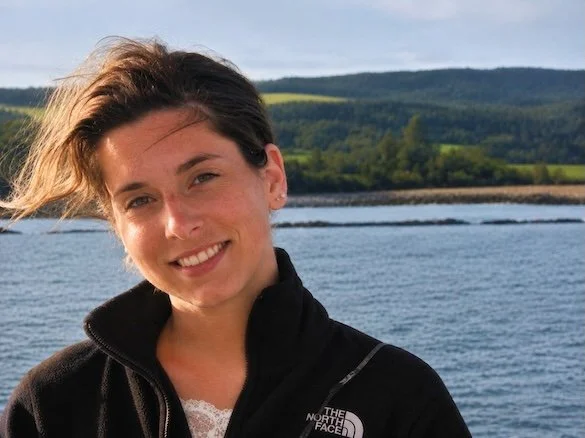
Dr. Darla Stupey, DO, MBA, FAAFP is a board-certified full-spectrum family medicine physician. She practiced obstetrics for 15 years as part of her full-spectrum family practice and currently serves as an independent contractor within a family medicine residency in the military healthcare system. She earned her medical degree from Western University of Health Sciences College of Osteopathic Medicine of the Pacific, a Master of Business Administration with an emphasis in healthcare administration, and her undergraduate degree from Oregon State University, where she also completed minors in Native American Ethnic Studies and Sociology.
Dr. Stupey has a longstanding commitment to quality care and health equity. She has served on multiple committees focused on quality improvement and standards of healthcare delivery, and she currently participates in the Clinical Practice GuidelineCommittee, the Justice, Equity, Diversity, and Inclusion (JEDI) Committee, and Women in Wilderness Medicine group within the Wilderness Medical Society. Her academic and clinical interests reflect a deep commitment to cultural understanding and equity in healthcare. When she is not practicing medicine, she enjoys hiking, skiing, and spending as much time in the water and with her family as possible.
References for Further Reading
Outdoor Industry Association. 2023 Outdoor Participation Trends Report. Published 2023. Accessed March 4, 2026. https://oia.outdoorindustry.org/wp-content/uploads/2023/10/2023-Outdoor-Participation-Trends-Report.pdf
Shephard RJ. Exercise and cancer prevention: a review. J Sports Med Phys Fitness. 2000;40(1):1-10.
Wilderness & Environmental Medicine. Special Issue on Women’s Health. Wilderness & Environ Med. 2025;36(4).
Balaban V, Stauffer WM, Sears CL, et al. Health risks, travel preparation, and illness among public health professionals during international travel. Travel Med Infect Dis. 2014;12(4):349-354. https://doi.org/10.1016/j.tmaid.2014.01.007
Harvey K, Esposito DH, Han P, et al. Surveillance for travel-related disease—GeoSentinel Surveillance System, United States, 1997–2011. MMWR Surveill Summ. 2013;62(3):1-23. https://www.cdc.gov/mmwr/preview/mmwrhtml/ss6203a1.htm
Pyzocha NJ, Maurer DM. Wilderness travel in nonpregnant females: differences in physiology, counseling, and common issues. Curr Sports Med Rep. 2016;15(2):105-110. https://doi.org/10.1249/JSR.0000000000000239
ACOG Practice Bulletin No. 152: Emergency contraception. Obstet Gynecol. 2015;126(3):e1-e11. https://doi.org/10.1097/AOG.0000000000001047
ACOG Practice Bulletin No. 186: Long-acting reversible contraception: implants and intrauterine devices. Obstet Gynecol. 2017;130(5):e251-e269. https://doi.org/10.1097/AOG.0000000000002400
ACOG Clinical Consensus No. 3: Menstrual suppression. Obstet Gynecol. 2022;140(4):713-724. https://doi.org/10.1097/AOG.0000000000004899
American Society for Reproductive Medicine. Hormonal contraception and risk of venous thromboembolism. Fertil Steril. 2017;107(1):43-51. https://doi.org/10.1016/j.fertnstert.2016.09.027
Galzote RM, Rafie S, Teal R, Mody SK. Transdermal hormonal contraception: a review of the evidence. Int J Womens Health. 2017;9:35-43. https://doi.org/10.2147/IJWH.S102306
Jean D, Basnyat B, Faeh D, et al. UIAA Medical Commission Recommendations for Contraception and Hormone Therapy at Altitude. High Alt Med Biol. Published online February 15, 2024. https://doi.org/10.1089/ham.2024.0021
Cole LA, Sutton-Loftus F, Laidler L, et al. Accuracy of home pregnancy tests at the time of missed menses. Am J Womens Health. 2011;5(1):1-10.
Kleinschmidt S, Kieviet J, Ramakers C. False negative urine pregnancy tests: a wicked game. Emerg Med Pract. 2021;2(2):e12427. https://doi.org/10.1002/emp2.12427
Harris E. Infertility affects 1 in 6 people globally. JAMA. 2023;329(20):1721. https://doi.org/10.1001/jama.2023.6251
Sunderam S, Kissin DM, Zhang Y, et al. Assisted Reproductive Technology Surveillance — United States, 2019. MMWR Surveill Summ. 2022;71(4):1-17. https://doi.org/10.15585/mmwr.ss7104a1
Kumar P, Sait SF, Sharma A, Kumar M. Ovarian hyperstimulation syndrome. J Hum Reprod Sci. 2011;4(2):70-75. https://doi.org/10.4103/0974-1208.86080
Bellapu S, Guttman J. Ovarian hyperstimulation syndrome: a POCUS diagnosis. J Emerg Med. 2017;52(4):535-537. https://doi.org/10.1016/j.jemermed.2016.11.026
Practice Committee of the American Society for Reproductive Medicine. Prevention and treatment of moderate and severe ovarian hyperstimulation syndrome: a guideline. Fertil Steril. 2016;106(7):1634-1647. https://doi.org/10.1016/j.fertnstert.2016.08.048
Sennström M, Rova K, Hellgren M, et al. Thromboembolism and in vitro fertilization, a systematic review. Acta Obstet Gynecol Scand. 2017;96(9):1045-1052. https://doi.org/10.1111/aogs.13147
Carroll ID, Van Gompel A. The pregnant wilderness traveler. Travel Med Infect Dis. 2005;3(4):225-238. https://doi.org/10.1016/j.tmaid.2004.11.004
Centers for Disease Control and Prevention. CDC Yellow Book 2024: Health Information for International Travel. Oxford University Press; 2023. https://wwwnc.cdc.gov/travel/yellowbook/2024/
American Society for Reproductive Medicine. Guidance for providers caring for women and men of reproductive age with possible Zika virus exposure. ASRM website. Updated January 2019. Accessed March 4, 2026. https://www.asrm.org/practice-guidance/practice-committee-documents/guidance-for-providers-caring-for-women-and-men-of-reproductive-age-with-possible-zika-virus-exposure-updated-2019/
World Health Organization. Zika virus. WHO website. Published August 30, 2018. Accessed March 4, 2026. https://www.who.int/news-room/fact-sheets/detail/zika-virus
U.S. Department of State. Women Travelers. Travel.State.Gov website. Accessed March 4, 2026. https://travel.state.gov/content/travel/en/international-travel/before-you-go/travelers-with-special-considerations/women-travelers.html
Legal Clarity. Countries where birth control is illegal. LegalClarity.org website. Accessed March 4, 2026. https://legalclarity.org/countries-where-birth-control-is-illegal/
Apollo M, Mostowska J, Wesołowska M. Gender differences in competitive adventure sports tourism. J Outdoor Recr Tour. 2023;42:100604. https://doi.org/10.1016/j.jort.2022.100604
Coffey CH, Anderson L, Evans L. First-Trimester Pregnancy: Considerations for Wilderness and Remote Travel. Wilderness & Environ Med. 2023;34(2):201-210. https://doi.org/10.1016/j.wem.2022.12.001
Korzeniewski K. The pregnant traveller. Int Marit Health. 2018;69(1):63-69. https://doi.org/10.5603/IMH.2018.0010
McAlester C, Roberts A, Frain J. Travel Health Implications for Women Traveling Abroad. Nurs Womens Health. 2020;24(2):143-148. https://doi.org/10.1016/j.nwh.2020.01.007


